During the summer of 2026, European cultural institutions were rocked by a brazen sequence of museum thefts. Small-scale portraits and preparatory studies by Pierre-Auguste Renoir were stolen from regional institutions in France and Switzerland. As reported by CNN and European press agencies in early September 2026, the perpetrators breached sophisticated alarm systems to extract specific, highly celebrated Impressionist likenesses.
Art theft transcends sensationalist crime reporting to confront foundational questions regarding institutional custody. High-profile stolen masterpieces cannot circulate within legitimate secondary markets; once cataloged in Interpol’s Stolen Works of Art Database, no reputable auction house or private gallery can touch them. Such operations are inevitably driven by extortion schemes targeting insurance syndicates or illicit black-market acquisitions.
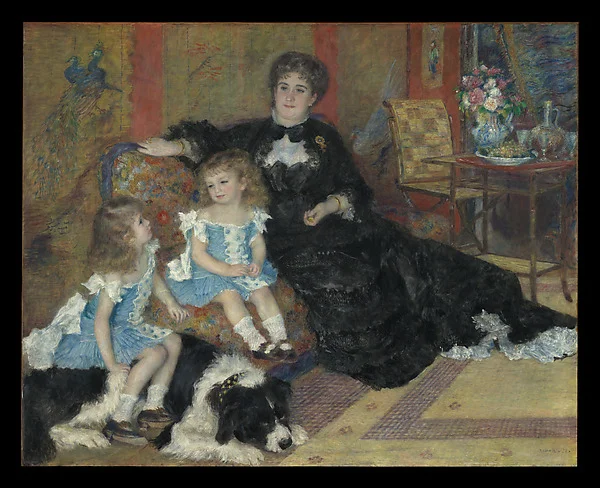
From the standpoint of figurative painting, it is telling that the targeted canvases were portraits. Why extract a human face rather than a historical still life or abstraction? A portrait is never merely chromatic composition; it is an irreplaceable ontological bond with a specific historical individual. This intimate human presence confers both emotional resonance and cultural aura.
Walter Benjamin's formulation of the "aura" in his celebrated 1936 treatise The Work of Art in the Age of Mechanical Reproduction regains acute relevance. Flawless digital scans of the stolen Renoir portraits circulate freely across millions of digital screens. Yet the thieves risked federal incarceration not for digital pixels, but for the somatic materiality of the canvas: oxidized dammar, aging linseed oil, and nineteenth-century brushwork. The aura resides precisely in this fragile, irreplaceable physical singularity.
For museums, such breaches prompt the escalation of defensive fortifications. Yet heightened security measures—laminated ballistic glass, motion perimeters, and cordons—severely compromise the contemplative encounter. Institutions must delicately balance physical preservation against democratic access.
Ultimately, an empty museum frame constitutes an eloquent monument to loss. Standing before that sudden void, the viewer is confronted with the stark truth that in an age of infinite digital replication, the physical original remains entirely irreplaceable.