Figurative painting is widely assumed to be among the most intuitively accessible genres in the art market. A recognizable face, anatomical body, or narrative interior communicates instantly. Yet this narrative immediacy can prove deceptive for collectors. A painting that yields its complete meaning on the first encounter risks becoming an inert decorative object after several months on domestic walls.
When evaluating a figurative canvas, connoisseurship begins at the material surface. How pigment is dragged across the weave, how underlayers vibrate through semi-opaque glazes, the velocity and pressure of the brushwork: these are tactile phenomena completely flattened by digital JPEG compression. Purchasing an artwork strictly from a digital screen sacrifices these essential values. A painting must be experienced in person under shifting daylight and from varying spatial distances.
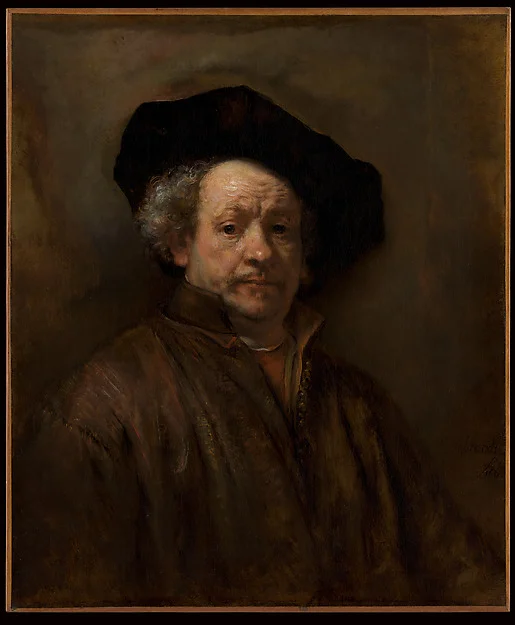
The second critical criterion is spatial tension. Where is the figure anchored within the pictorial matrix? Does the subject confront the spectator directly, or avert its gaze into psychological interiority? How does the flesh interact with ambient negative space? These choices reveal whether the painter conceives of the figure as a static decorative prop or as an autonomous existential subject. Authentic figurative painting almost invariably sustains unresolved friction between the body and its environment.
The third pillar is institutional and historical context: the artwork’s placement within the artist’s broader trajectory, its dialogue with contemporaneous works, institutional exhibition history, and critical reviews. A work executed during a pivotal breakthrough period typically possesses far greater enduring significance than transitional studies—though navigating transitional phases can yield unexpected masterworks.
The fourth imperative is archival provenance. Provenance—the unblemished chain of physical custody—is decisive across secondary markets. An unbroken paper trail documenting prior collections, museum loans, and gallery provenance must be established. An indisputable Certificate of Authenticity (COA) issued directly by the artist or primary gallery anchors this custodial ledger, accompanied by a professional physical condition report.
Finally, the supreme arbiter is duration. Viewing a prospective acquisition across multiple days dissolves transient market hype. If a painting discloses fresh chromatic subtleties, psychological ambiguities, and spatial complexities upon the third or fourth encounter, it possesses the vitality to endure for a lifetime. Figurative painting derives its enduring magic from the fact that a painted face changes alongside our own; recognizing that mystery demands patient, sustained looking.
These observations are formulated not as financial investment advice, but as critical principles for collectors seeking a profound, lifelong dialogue with contemporary figurative art.