Macroeconomic reports on the 2026 art market describe a decisive structural consolidation. The Art Basel and UBS Global Art Market Report calculated total worldwide art transactions at approximately $57.5 billion, marking the third consecutive year of contraction following the post-pandemic speculative peak. Within this climate, Artsy’s market forecasts projected that auction bidders would prioritize mid-career artists supported by established institutional validation and steady historical track records.
An analytical report by Milan-based Trium Art Gallery added granular texture to this overview. According to their findings, seasoned collectors are systematically reallocating capital toward mid-career painters and unsaturated regional markets. The primary beneficiaries of this reallocation are painting and figurative sculpture. The rationale cited centers on narrative legibility: figurative motifs establish direct emotional rapport with audiences and require less mediating jargon than speculative conceptualism.
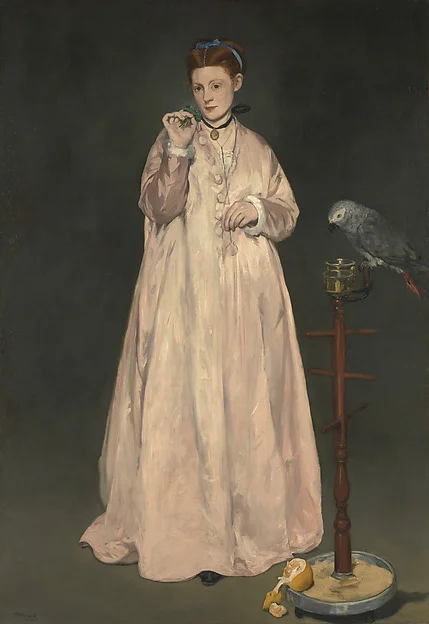
While straightforward at first glance, the concept of pictorial "legibility" warrants critical dissection. In volatile financial climates, buyers seek artworks whose cultural and domestic value can be communicated intuitively. A recognizable human likeness, domestic tableau, or charged psychological interior requires fewer theoretical intermediaries than a conceptual installation. Consequently, part of the premium paid for figurative art stems from narrative immediacy—aesthetic rigor represents only one variable in this commercial calculus.
A May 2026 market review by The Luxury Playbook similarly identified the quiet resurgence of mid-tier figurative painting as one of the defining cultural shifts of the year. Concurrently, robust secondary-market records achieved by millennial painters illustrate that this enthusiasm extends across generation tiers.
For discerning collectors, however, this trend carries familiar pitfalls. Whenever a particular motif gains market momentum, commercial galleries inevitably saturate fairs with stylistic derivatives. The speculative boom-and-bust cycle of "Zombie Formalism" in the mid-2010s remains a vivid cautionary tale of how quickly market taste can exhaust an aesthetic formula. Whether the current surge in figuration will trigger similar fatigue remains an open question.
For collectors focused on lasting artistic value, the essential question is what a painting discloses upon repeated contemplation. A figure that surrenders all its secrets upon first glance rarely sustains lifelong engagement. In contrast, canvases harboring psychological ambiguity, technical friction, and historical resonance consistently weather fluctuating market cycles with dignity.