On December 9, 2025, Glasgow-born, London-based artist Nnena Kalu was awarded the prestigious Turner Prize at Tate Britain. Working for over two decades supported by ActionSpace—a London arts charity supporting neurodivergent artists—Kalu made institutional history as the first artist with complex learning disabilities and limited verbal speech to receive the UK’s highest contemporary art honor.
Kalu’s artistic practice is defined by intense, rhythmic sculptural installations. Working with everyday industrial remnants—rolls of packing tape, colorful cellophane, corrugated cardboard, plastic tubing, and yarn—she rhythmically binds, wraps, and compresses materials around architectural armatures. Her layered cocoons swell into monumental biological forms that seem to breathe, pulse, and assert an undeniable physical mass within gallery space.
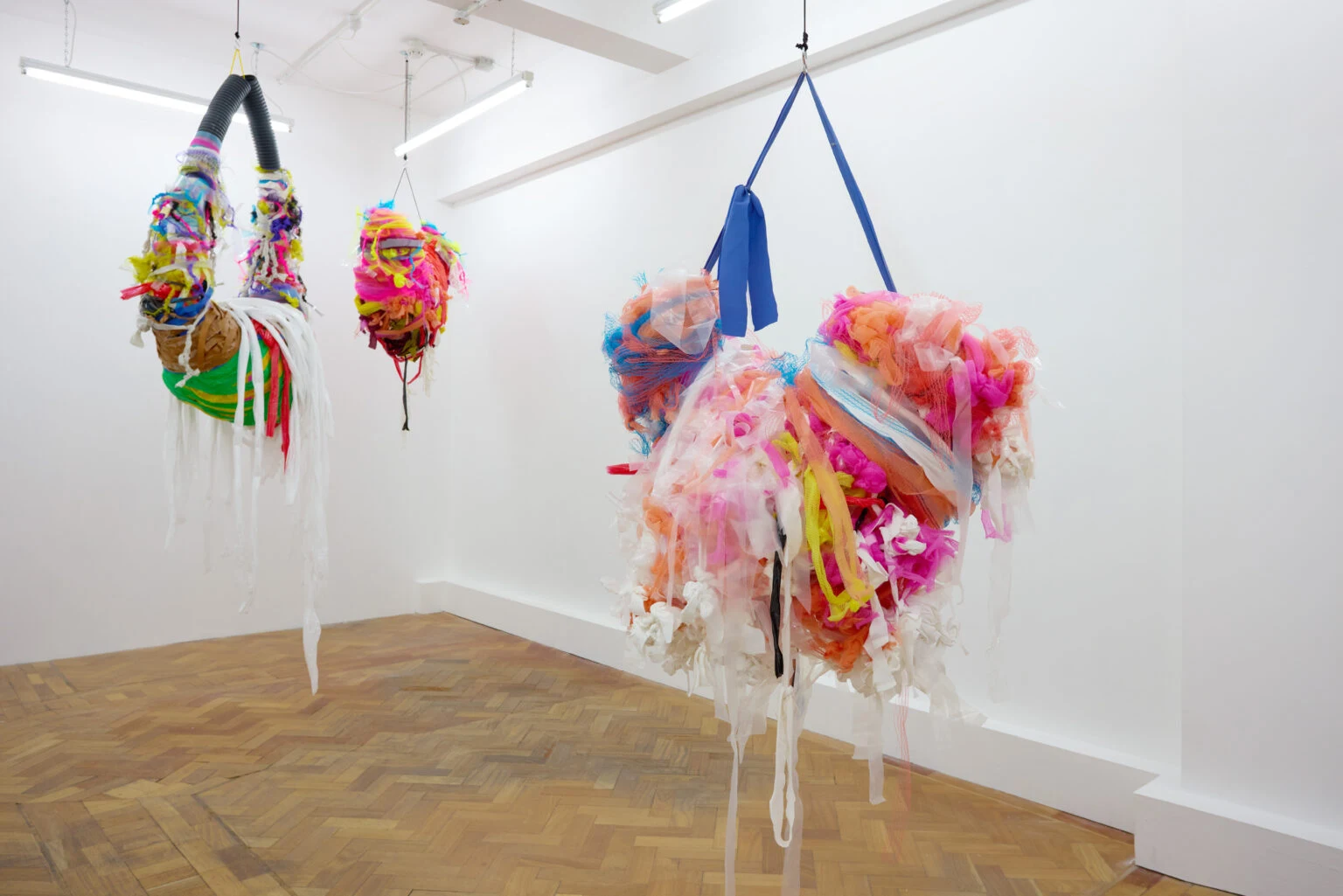
Her triumph represents a decisive blow against the paternalistic ghettoization of 'Outsider Art' or Art Brut. For decades, the fine art establishment relegated neurodivergent artists to ethnographic curiosities or psychiatric case studies, evaluating their production outside the formal and critical frameworks of mainstream contemporary art.
The Turner Prize jury firmly rejected this condescension, recognizing Kalu's work purely for its extraordinary formal rigor, spatial intelligence, and sculptural power. Her mark-making—characterized by relentless circular drawing and wrapping motions—shares deep affinities with post-minimalist sculptors like Eva Hesse, Judith Scott, and Phyllida Barlow.
Nnena Kalu's recognition forces the art world to confront its narrow definitions of artistic intent and intellectual production. Her sculptures prove that artistic genius is not contingent upon verbal agility or conceptual jargon; it resides in the visceral, urgent intelligence of the human body communing with raw physical matter.