Throughout 2025, an unprecedented portion of critical discourse surrounding figurative art centered not on formal or stylistic developments, but on the political terms under which depictions of the human body are permitted to inhabit public space. This overview examines these flashpoints through a balanced, objective lens.
In the United States, tensions ignited in March with executive directives aimed at purging federal cultural agencies of perceived ideological bias. By May, political pressure targeted National Portrait Gallery Director Kim Sajet. In July, Amy Sherald withdrew her mid-career retrospective from Washington over institutional cowardice surrounding her depiction of a transgender woman as the Statue of Liberty. Weeks later, the White House initiated an unprecedented content review across eight Smithsonian museums.
These developments illuminate three competing perspectives on cultural governance. The first view maintains that institutions funded by public tax dollars must remain democratically accountable to elected governments and reflect broad societal consensus, viewing administrative oversight as a legitimate check on unelected cultural elites.
The second perspective defends the inviolability of curatorial and scholarly autonomy, arguing that subjecting museum programming to partisan political control destroys scientific objectivity, chills artistic innovation, and degrades public trust in cultural institutions.
A third perspective highlights the insidious operation of 'preemptive self-censorship'—what Sherald termed institutional fear. When museum directors quietly decline to show controversial figurative work to avoid funding threats, censorship operates invisibly, silencing marginalized perspectives without ever issuing a formal public decree.
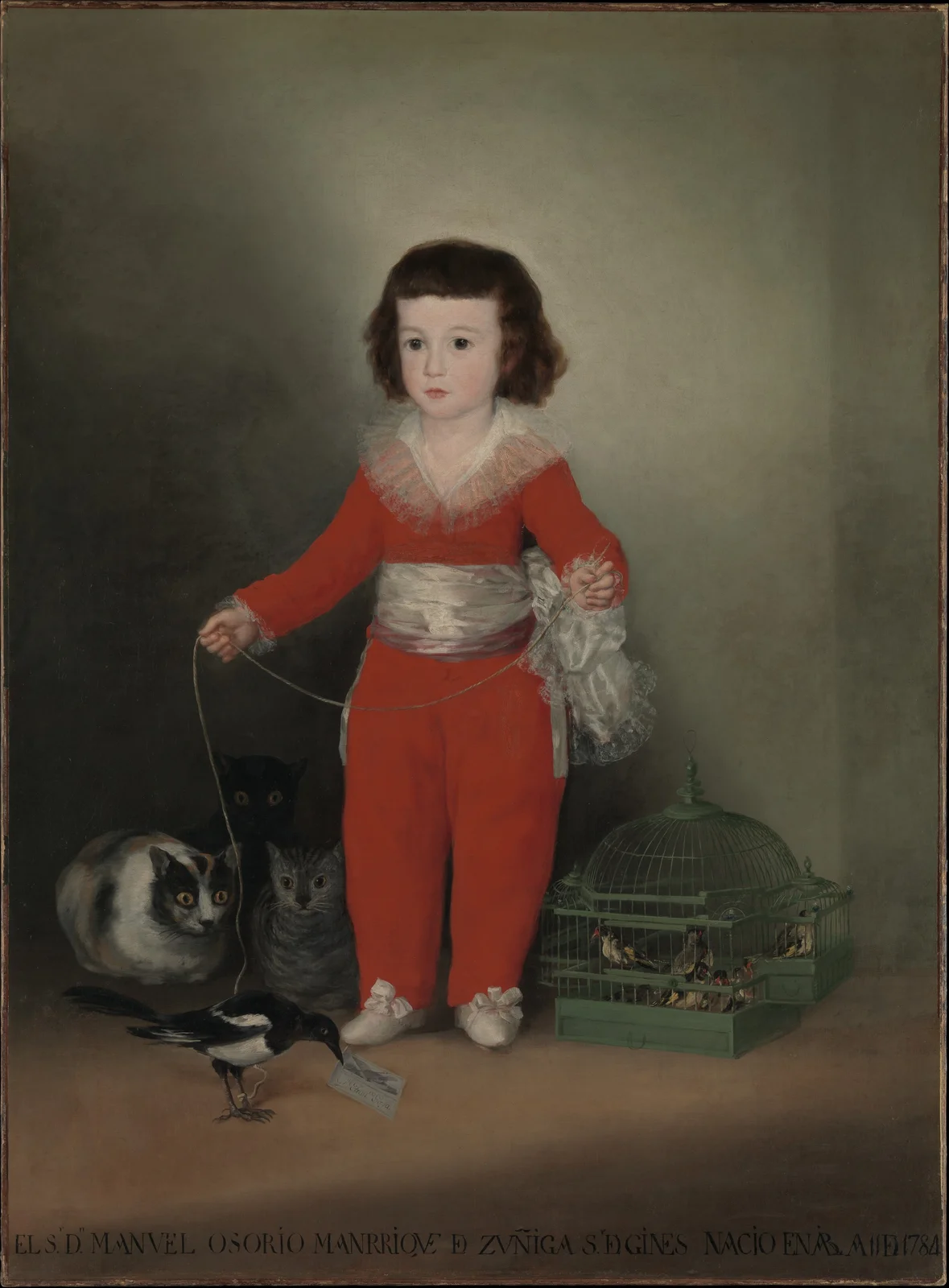
Art history demonstrates that portraiture has perpetually existed in volatile friction with state authority. From Goya's royal critiques and Sargent’s Salon scandal to Baselitz's seized paintings in 1963, every era fiercely polices whose likeness may be public. The controversies of 2025 reaffirm that a painted face remains one of the most politically charged objects in human civilization.