In mid-June 2026, an instructive controversy erupted across New York's cultural media. Architectural illustrator Gavin Snider publicly accused viral portraitist Devon Rodriguez—who commands tens of millions of followers across social platforms—of presenting Snider’s commissioned paintings as Rodriguez's own creations. The works in question were official celebratory paintings commissioned from Snider by the New York Knicks organization following their 2026 NBA championship run. Following coverage in The New York Times, Rodriguez quietly removed the disputed video posts.
Beyond the immediate interpersonal grievances, the clash provides an illuminating diagnostic of how figurative labor circulates within algorithmically mediated platforms.
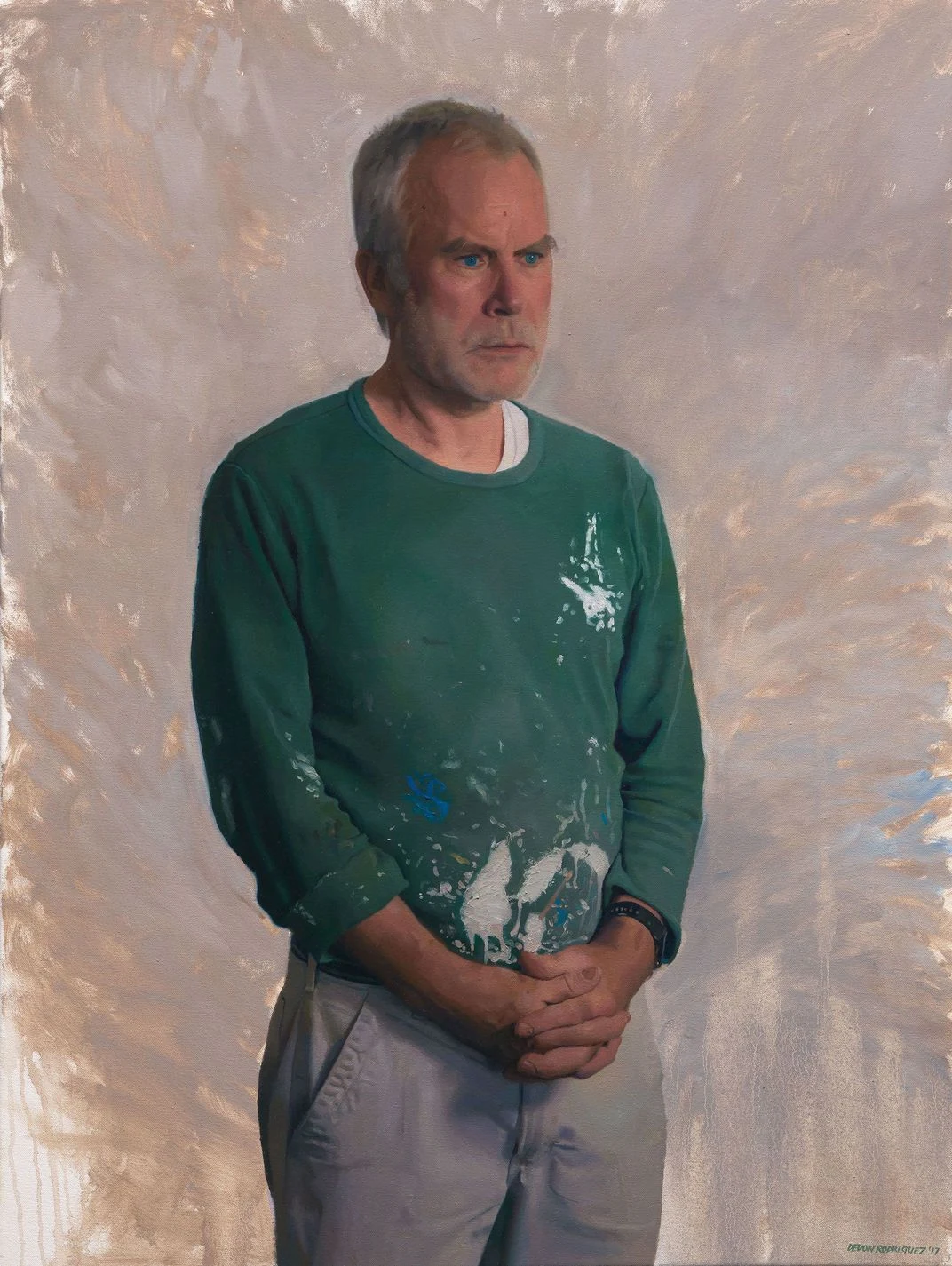
Devon Rodriguez built a massive global audience through serialized short-form videos capturing subway commuters, documenting both the rapid drafting process and the subject’s emotional reaction upon receiving the sketch. Within this viral format, figurative craft is converted into a performative spectacle: audience attention fixes not upon the formal autonomy of the finished drawing, but upon the sentimental theater of its live delivery.
While this paradigm democratizes access to audiences on an unprecedented scale, bypassing traditional gallery gatekeepers, it destabilizes authorial attribution. On social media, authorship is frequently attributed to whichever profile distributes the video, conflating the creator of the content with the author of the physical artwork depicted. Attribution becomes fluid, vulnerable to algorithmic erasure.
Historical atelier practices have always wrestled with collaborative authorship: scholars still debate precisely which passages of a Rubens or Rembrandt canvas belong to the master versus his assistants. Yet the guild system managed these ambiguities through established institutional codes. In algorithmic feeds, no such conventions exist; attribution is routinely usurped by account engagement metrics.
Furthermore, the episode underscores institutional vulnerabilities in corporate art commissioning. When institutions commission original paintings, contracts must explicitly specify digital reproduction rights, video credits, and third-party promotional protocols. For emerging figurative painters, mastering legal attribution covenants has become as essential as technical draughtsmanship.