Surveys of international gallery exhibitions in early 2026 reveal an unmistakable material shift: the thickening of the pictorial surface. Across contemporary painting, brushstrokes assert a muscular tactility, paint layers accumulate into palpable stratifications, and the weave of unprimed linen remains intentionally exposed. The slick, hyper-rendered finish associated with digital post-production is yielding to a rigorous assertion of somatic bodily labor.
This development represents a dialectical counter-thrust against the ubiquity of generative algorithmic synthesis. Confronted with an endless deluge of frictionless, pixel-perfect synthetic renderings generated in milliseconds, tactile painting converts biological limitations and technical friction into its supreme asset. An impasto brushmark transports more than hue: it bears an unalterable kinetic record of somatic exertion, human breath, and biological duration.
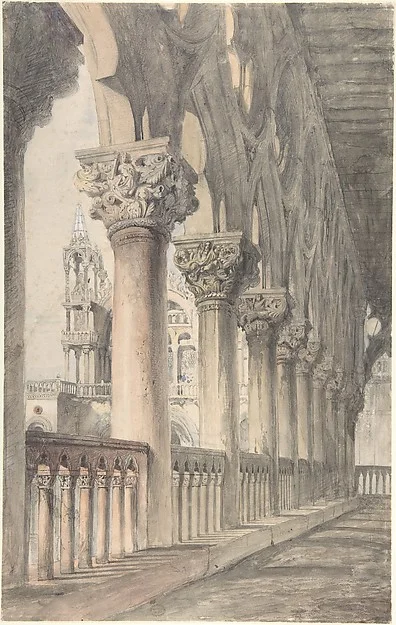
Art history abounds with historical precedents. The mid-nineteenth-century rise of photography catalyzed the Impressionists to liberate optical brushwork, declaring paint as matter rather than transparent illusion. Concurrently, the mechanical alienation of the Industrial Revolution provoked John Ruskin and William Morris to champion the artisanal ethics of the Arts and Crafts movement. The contemporary return to tactile materiality constitutes an analogous defense of human embodiment.
A market report released in January 2026 by Milan's Trium Art Gallery confirmed that collectors are systematically prioritizing "tactile materiality." Bidders actively seek forensic signifiers demonstrating that an artwork did not originate behind glass: scraped surfaces, drying fissures, raw oil sedimentation, and the scrape of the palette knife operate as material guarantors of physical singularity.
Yet critical analysis must resist lapsing into reactionary nostalgia. Reducing the hand mark to an anti-technological retreat trivializes painting's conceptual rigor. The mere performance of manual craft is not an automatic virtue; severed from intellectual clarity, virtuosic impasto rapidly degenerates into an empty stylistic mannerism.
Painting endures precisely within the friction between hand and intellect, organism and mineral medium. In an era of rampant automation, the ethical gravity of the hand mark resides in shattering the illusion of seamless digital perfection, recalling us to the mortal vulnerabilities of human existence.