David Hockney died on June 11, 2026, at his home, just one month shy of his 89th birthday. In the immediate aftermath of the announcement, swimming pool motifs flooded social feeds, establishing almost instantaneously the shorthand through which the painter would be remembered. The impulse is entirely understandable, yet it carries an expedient simplicity that obscures Hockney’s core inquiry.
In the early 1960s, amidst an environment where formalist abstraction claimed near-total critical hegemony, Hockney persisted in working with the human figure. He did so not through programmatic manifestos, but through lived intimacy: painting friends, lovers, and parents. In celebrated double portraits such as My Parents or Mr and Mrs Clark and Percy, the sitters rarely look at one another; the charged void suspended between them becomes the genuine subject of the canvas. Portraiture functions here as the delicate ledger of a relationship.
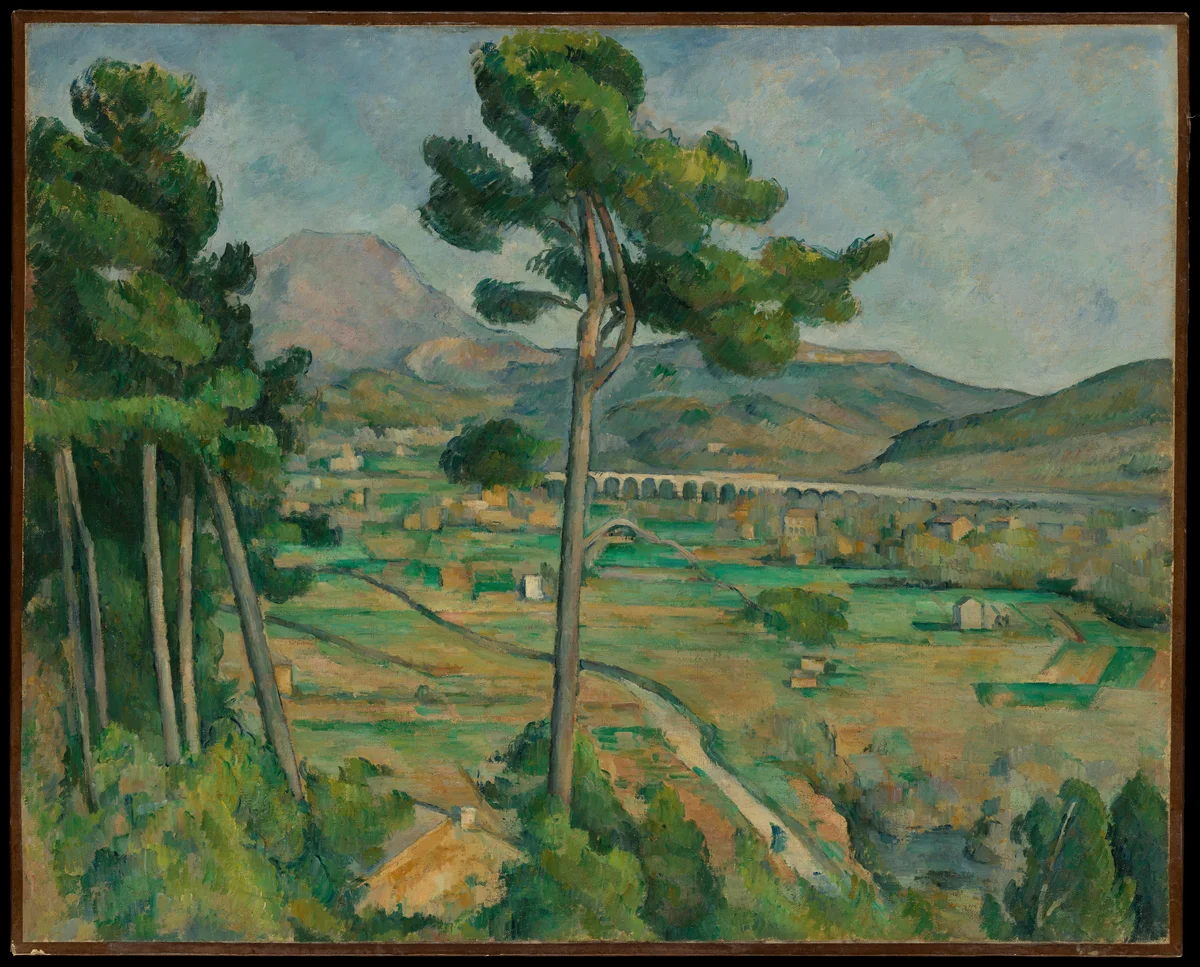
His second enduring concern involved the mechanics of vision itself. The composite Polaroid collages and photographic joiners of the 1980s were grounded in the conviction that single-point perspective fails human vision by reducing living sight to a static monocular pinhole. From the late 2000s onward, Hockney extended this investigation onto digital touchscreens using iPhones and iPads. In his 2011 series The Arrival of Spring in Woldgate, painted across East Yorkshire, the electronic tablet functioned as an open ledger recording the day-by-day arrival of the season through light and pigment.
Writing for Two Coats of Paint in late June 2026, critic Bill Arning observed that the wave of tributes provoked memories of an earlier era: years when figurative painting was widely dismissed in avant-garde circles as an anachronism. Arning noted that contemporary queer figurative painting has experienced a sustained decade-long renaissance. While tenable as an art market observation, measuring Hockney's significance purely by subject matter remains insufficient; his paramount achievement lay in examining how the gaze transforms alongside its technological instruments.
In its official tribute, Tate Britain noted that Hockney's 2017 retrospective remained the most visited exhibition in the museum's history. Such metrics quantify public affection. Measuring critical weight demands different analytical criteria, and distinguishing popular reverence from rigorous painterly epistemology will be the central task of upcoming Hockney scholarship.
Hockney was the last towering figure of a generation for whom figuration felt compelled to justify its very existence. Younger painters working with the body today inherit none of that defensive burden. The historical impasse Hockney confronted has dissolved; yet the essential question he posed remains unresolved: do we perceive a human presence more truthfully on canvas, across a digital screen, or within the receding folds of memory?