On March 25, 2025, OpenAI introduced native image generation within its GPT-4o multimodal model. Within seventy-two hours, social feeds worldwide were inundated with a singular visual trend: millions of users uploading personal selfies, family snapshots, and urban streetscapes to transform them into soft, pastoral animations mimicking the unmistakable aesthetic of Hayao Miyazaki's Studio Ghibli.
The phenomenon was celebrated as a playful democratic triumph of consumer AI. Yet for anyone examining figurative art, the spectacle revealed deeply disturbing epistemological consequences. Hayao Miyazaki and his animators spent over four decades laboriously hand-crafting a singular visual grammar: hand-painted watercolor skies, meticulous botanical verisimilitude, subtle facial kinetics, and an animist spiritual philosophy rooted in ecological vulnerability. The generative algorithm extracted this lifelong painterly discipline, reduced it to statistical weight correlations, and turned it into an instant consumer filter.
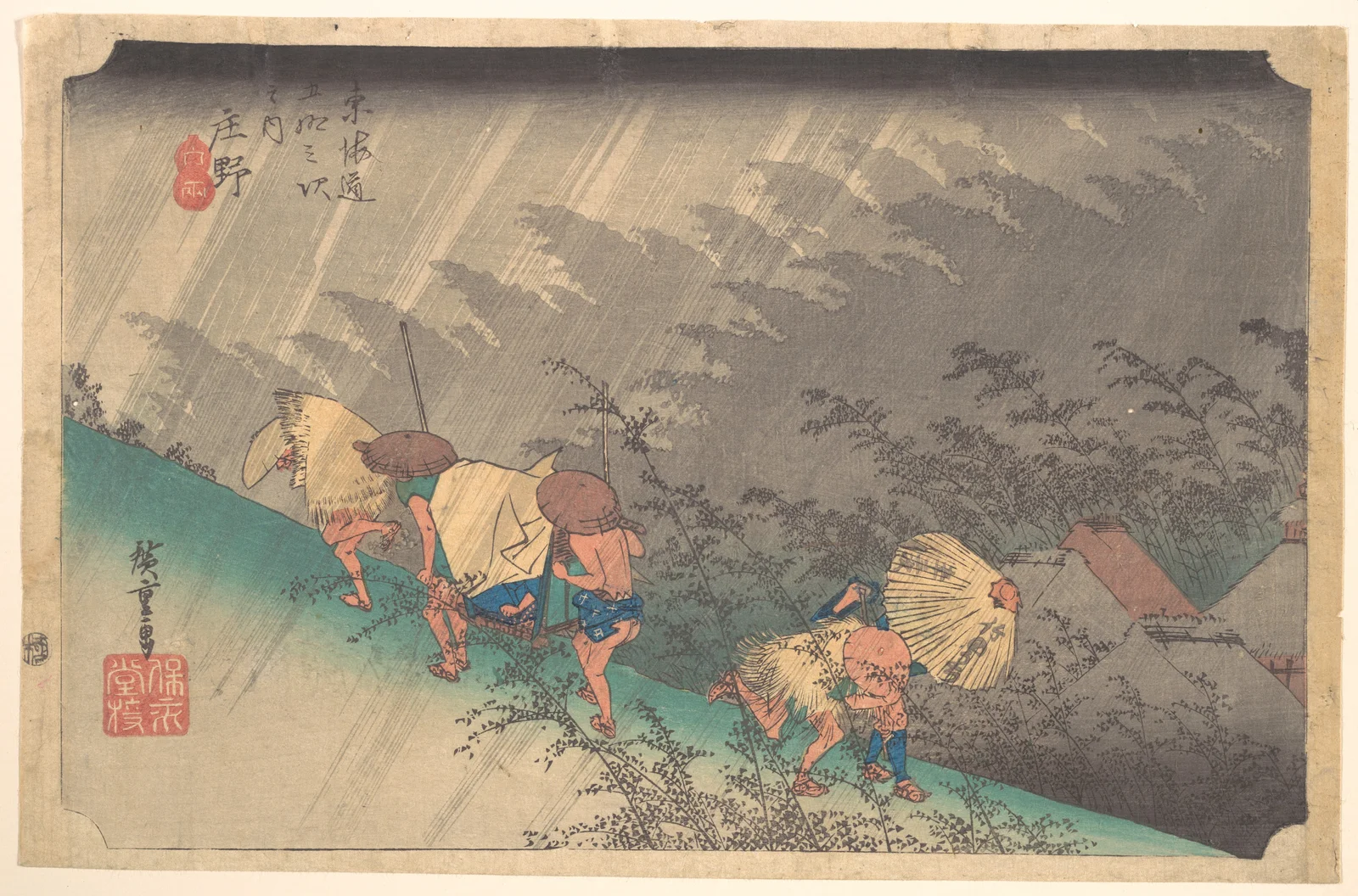
This instantaneous mimicry dismantles the classical art-historical conception of painterly style. For Heinrich Wölfflin or Meyer Schapiro, style was inseparable from human embodiment, cultural history, and conscious technical selection. When style is converted into an algorithmic prompt, it is stripped of moral intention; it becomes a cosmetic skin pasted indiscriminately across any input pixels.
The ethical and legal implications surrounding training datasets remain acute. While copyright law protects specific finished drawings, it has historically refused to copyright an individual's broad visual style. Generative AI companies exploit this legal loophole to ingest whole artistic oeuvres without permission, reproducing the aesthetic atmosphere of master animators while evading licensing fees.
Moreover, what does it mean when human beings voluntarily pass their authentic photographic likenesses through a nostalgic, cartoon filter? In an era marked by geopolitical anxiety and ecological grief, escaping into the idyllic, pastel-hued clouds of an artificial Ghibli universe offers psychological comfort. Yet it replaces the messy, vulnerable particularity of an actual human face with an algorithmic confection—erasing identity under the guise of celebrating it.