In his seminal 1903 treatise Der moderne Denkmalkultus (The Modern Cult of Monuments), Austrian art historian Alois Riegl formulated an indispensable distinction between "historical value" and "age-value" (Alterswert). Where historical value demands the intellectual preservation of an artifact’s pristine original state, age-value celebrates the physical decay, cracking, erosion, and patina inflicted by elapsed time. For modern sensibility, Riegl observed, aesthetic appreciation often resides precisely in perceiving an object's vulnerability before natural decay.
Riegl’s formulation remains strikingly prescient for untangling the ontological rift between tangible figurative painting and the digital image. An oil painting undergoes biological aging: dammar varnish oxidizes into amber hues, drying oils contract into intricate webs of craquelure, and linen supports respond to ambient humidity. Rather than diminishing aesthetic gravity, this physical aging confers irreplaceable patina—a somber, undeniable materiality.
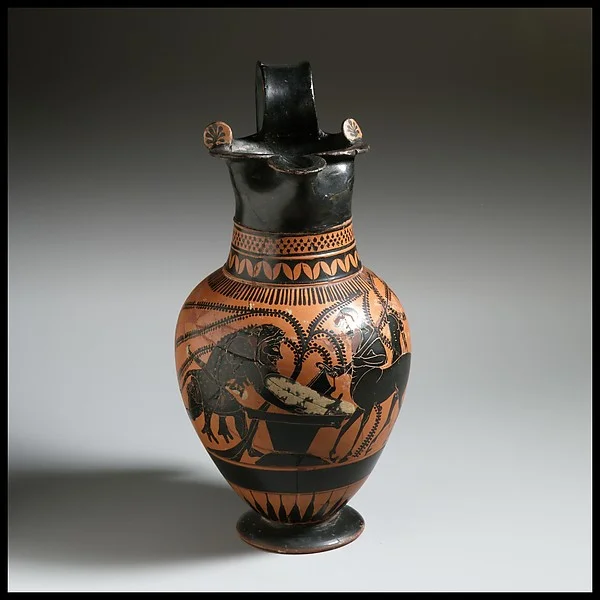
The digital image, in radical contrast, is structurally incapable of aging. A digital bit cannot fade, corrode, or develop patina. A digital file either reproduces with lossless fidelity or encounters total bit rot and ceases to render altogether; it cannot register the continuous weathering of time. This frictionless digital immortality, while touted as technological triumph, conceals a profound aesthetic poverty: exemption from biological mortality.
Figurative painting operates precisely within this mortal horizon. The human subject depicted ages and dies; the canvas preserving their likeness simultaneously undergoes its own slow material decay. This shared mortality uniting the sitter, the painter, and the physical artifact cultivates profound empathetic resonance in the viewer. A synthetic avatar exists outside mortal time, incapable of conveying existential grief.
The synthetic film-grain, digital dust, and simulated craquelure filters applied by software users betray an implicit longing for this absent patina. Yet simulated decay cannot fulfill Riegl’s Alterswert. True age-value is the non-negotiable physical consequence of matter enduring across chronological time—not an algorithmic texture mapped onto pixels.
Riegl reminds us that our deepest attachment to an artwork is anchored not in its illusion of immutable perfection, but in its dignified, vulnerable persistence against time.