Igniting on January 7, 2025, across Pacific Palisades and Altadena, the Eaton and Palisades fires rapidly escalated into some of the most catastrophic metropolitan conflagrations Southern California had witnessed in decades. Amid thousands of structures razed to the ground, the cultural toll was irreversible: Altadena's historic foothill studios and artist residences carried decades of archival materials, unexhibited canvases, and newly completed bodies of work into ash.
Among those sustaining devastating losses was Christina Quarles, whose family home and working studio were entirely consumed. In the same foothill enclave, Alec Egan lost the entirety of his upcoming solo exhibition slated for a March debut at Charles Moffett in New York—canvases he was subsequently compelled to reconstruct from memory. Working spaces belonging to diverse generations of painters, including Lita Albuquerque, Jill Giegerich, and Mary Weatherford, were similarly reduced to soot and twisted metal.
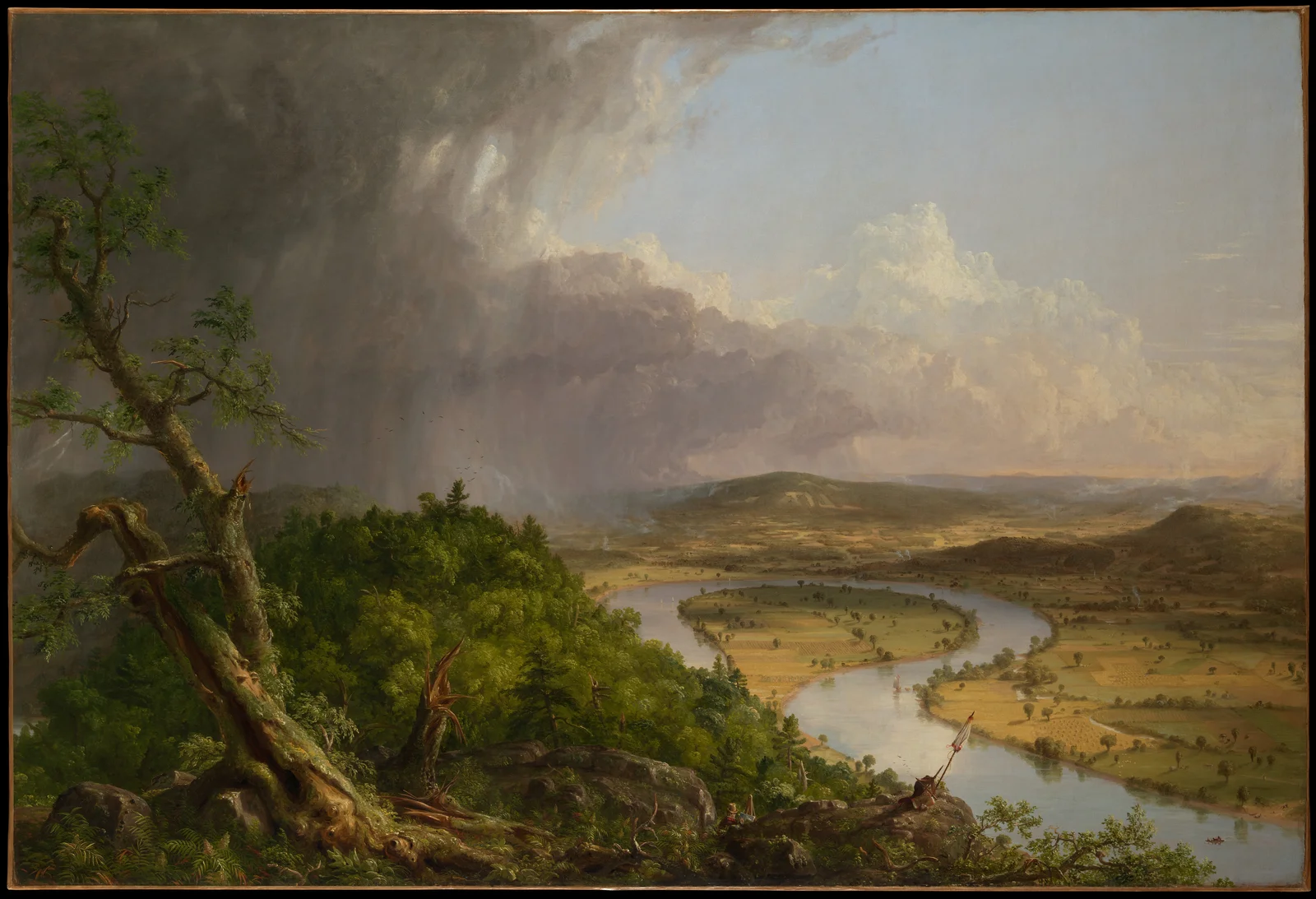
The destruction of an artist's studio constitutes far more than the quantifiable loss of finished commodities. A studio operates as an intimate cognitive prosthesis—a sanctuary where preliminary drawings, accidental stains, discarded compositional routes, half-dry trial canvases, and historical sketchbooks accumulate over decades. A painter's grammar resides not merely within autonomous exhibition pieces, but in the residual material, failed experiments, and dormant notes surrounding them. The fire eradicated this invisible scaffolding in a single night.
This rupture urgently interrogates the stubborn materiality of painting within an increasingly dematerialized visual economy. Today, virtually every painting possesses high-resolution scans, museum documentation, and social media registries. The digital archives of Quarles's or Egan's incinerated canvases survive intact; yet these algorithmic files cannot duplicate the physical weave of linen, the visceral topography of impasto, the optical viscosity of layered oils, or the organic dialogue with incident light. A digital record is an archival footprint, never the painting itself.
Ultimately, the California inferno exposed the acute physical fragility of artistic practice. Amid multi-million-dollar auctions, digital provenance certificates, and frictionless circulation networks, painting remains an obstinate material artifact: mineral pigments ground in drying vegetable oils bound to stretched cloth. Thoroughly vulnerable to heat, moisture, smoke, and time, the ruined studios of Altadena starkly remind us of the terrifyingly precarious material threshold upon which all pictorial meaning rests.